Detroit has unveiled America’s first wireless-charging public roadway for electric vehicles, marking a significant advancement in EV infrastructure. This innovative project, located on a quarter-mile stretch of 14th Street near the iconic Michigan Central Station, demonstrates a remarkable feat of engineering and cooperation between public and private entities. It also further justifies Tesla's investment in wireless charging and the opportunities it presents.
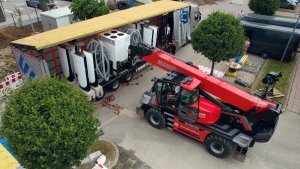
The technology behind this marvel involves rubber-coated copper coils embedded beneath the road surface. These coils enable charging for EVs equipped with specialized receivers. During a recent demonstration, a blue electric Ford E-Transit van showcased the capability of this system, charging efficiently as it moved along the road. This fascinating technology display was complemented by a large video screen, providing real-time data on the energy transfer.
The project, a collaboration between the Michigan Department of Transportation, Electreon, and other partners, represents a significant step towards scalable, wireless EV charging solutions. While currently limited to vehicles with specific receivers, this technology paves the way for broader applications and integration into the existing EV ecosystem.
Tesla's Strategic Move into Wireless Charging
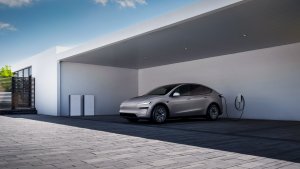
Amidst these developments, Tesla's foray into wireless charging technology is timely. At the last Investor Day, Rebecca Tinucci, Senior Director of Charging Infrastructure at Tesla, hinted at incorporating wireless charging into Tesla's plans. The company then bought Wiferion, a German-based wireless charging startup. Wiferion's expertise in inductive charging systems, which are capable of delivering high power and enabling rapid charging, complements Tesla's vision.
Tesla then sold the company but kept its engineers. The strategic acquisition of talent significantly impacts the future of Tesla's charging infrastructure, potentially integrating these advanced technologies into its broader portfolio of products and services.
Reducing the Costs of EVs
Introducing wireless charging roads and Tesla's interest in the technology signals a transformative phase in EV charging infrastructure. While Detroit's project serves as a pilot, it has far-reaching implications. The technology would eliminate range anxiety and could reduce the need for large batteries in EVs, thereby decreasing vehicle costs and making them more efficient and environmentally friendly. Furthermore, Electreon's focus on public and last-mile delivery vehicles opens new avenues for efficient urban transportation.
As we look ahead, expanding such technologies could redefine the EV experience. The prospect of seamless, on-the-go charging without the need for stationary charging stations presents a convenient and eco-friendly alternative. These developments enhance the practicality of EVs and signify a shift towards a more sustainable and technologically advanced future in automotive transportation.