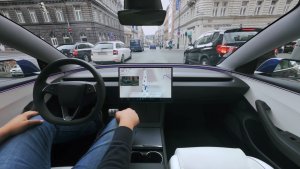
The Tesla Model Y has been Sweden's bestselling vehicle for months as that country continues to embrace electric cars fully. However, the love affair with the biggest EV maker in the world has gone sour.
Tesla is currently embroiled in a labor dispute that has expanded across Scandinavia and is stirring significant attention in the international community. This situation presents a complex interplay between union demands, corporate policies, and cultural differences in labor practices.
Origins of the Dispute: Swedish Mechanics Take a Stand
The conflict originated in Sweden with a strike by about 120 mechanics and members of the IF Metall union. Tesla's engagement in collective bargaining is central to their demands – a standard labor practice in Scandinavia, which Tesla has so far resisted. The mechanics are not seeking higher pay but insist on Tesla honoring the principle of collective bargaining, highlighting an ideological clash between U.S. corporate culture and Scandinavian labor norms.
Escalation and Regional Solidarity
The labor action swiftly gained momentum, with various Swedish sectors expressing solidarity. The conflict reached Denmark, where the largest trade union announced a sympathy strike, further complicating Tesla's logistical operations in the region. The Danish union's decision to halt shipments of Tesla cars to Sweden exemplifies the strong regional support for collective bargaining rights and worker solidarity.
Tesla's Reaction: Legal Actions and Public Statements
Tesla has responded to the strike with legal actions, filing lawsuits against the Swedish Transport Agency and the postal service. Elon Musk has publicly criticized the strike and the involvement of postal workers, which he termed “insane.” This response indicates a broader resistance from Tesla towards unionization and collective bargaining, consistent with Musk's known stance against unions.
It wasn’t long ago that it appeared that the new next-generation, $25,000 vehicle would be produced in Europe at Giga Berlin. However, perhaps due to the ongoing dispute, Musk has stated that the high-production vehicle will be made in North America, as originally planned.
A Crossroads for Tesla and European Labor
The dispute's expansion into Denmark and potential spread to Norway and Germany indicates a growing resistance against Tesla's labor policies. This situation places Tesla at a crossroads: adapt to the European model of labor relations or continue its current approach, potentially risking market stability and brand reputation in Europe. The outcome of this conflict could have far-reaching implications for Tesla’s global operations and the dynamic between multinational corporations and labor unions.
Tesla’s Challenges Ahead
Tesla's refusal to sign collective bargaining agreements is rooted in its corporate philosophy and Musk's vision of a flexible, innovative workforce. This stance, however, clashes with the Scandinavian model of labor relations, which emphasizes collaboration between employers and unions. The standoff has brought Tesla's labor policies into the spotlight and poses a significant challenge to its operations and reputation in Europe, which has embraced EVs.
As Tesla navigates this challenging situation, the company must weigh its corporate philosophy against the entrenched labor practices of its regions. The resolution of this dispute will impact Tesla's future in Europe and set a precedent for international labor relations and the balance of power between global corporations and local labor practices.