Elon Musk bought, gutted, and revived Twitter, now X, for many reasons, but one of the biggest was allowing free speech. Now, Tesla has positioned its defense against the California Department of Motor Vehicles (DMV) on the grounds of free speech.
Tesla asserts that the DMV's accusations of false advertising, especially regarding its Full Self-Driving (FSD) feature, infringe upon its First Amendment rights. This defense follows years after the introduction of Tesla's automated driving features.
Background of the Dispute
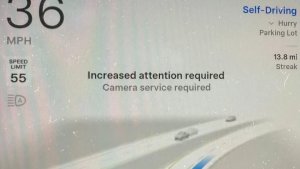
The legal skirmish traces back to the DMV's investigation, initiated in May 2021. The agency accuses Tesla of misleading claims about its Autopilot and Full Self-Driving capabilities, suggesting that these systems could enable entirely autonomous trips without driver intervention. Tesla, however, contends that it has been transparent about the limitations of these systems in its owner's manuals and in-car notifications.
Tesla argues the DMV's lack of action against using terms like "Autopilot" and "Full Self-Driving Capability" since 2014 and 2016 amounts to an implicit approval. The company claims that this inaction over the years should now preclude the DMV from pursuing legal action.
Potential Consequences for Tesla
The stakes are high for Tesla in this legal dispute. Should the DMV prevail, Tesla could face the revocation of its California manufacturer's license and possibly be required to compensate customers who have suffered financial losses due to the alleged false advertising.
This legal tussle has significant implications for Tesla, particularly in California, its largest market in the United States. The outcome of this case could influence not only Tesla's business operations but also customer trust and perception of the brand's technology offerings.
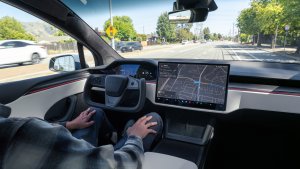
Amidst this legal confrontation, Tesla also faces scrutiny from the National Highway Traffic Safety Administration (NHTSA) over safety concerns related to its Autopilot and Full Self-Driving features. These investigations are part of a broader examination of the safety and reliability of driver assistance technologies in the evolving landscape of autonomous vehicles.
Tesla continues to refine its driver assistance technologies amidst these challenges, with the removal of ultrasonic sensors in 2022 marking a notable change in its approach. FSD version 12 is rolling out to employees, introducing a major shift in autonomous technology. Instead of hundreds of thousands of coding lines, the new system relies on neural networks. As the legal and regulatory landscape evolves, Tesla's journey with its pioneering technologies will remain in the spotlight and under constant scrutiny.