It’s that time of year again. A cold snap across many areas of the U.S. has sparked a recurring debate about the performance of electric vehicles in extremely cold conditions. Contrary to the negative portrayal by some legacy media outlets, data and experiences from one of the coldest countries globally provide compelling evidence of the robustness and reliability of EVs, particularly Teslas, in frigid temperatures.
Norway's Real-World Experience with EVs in Cold Weather
Renowned for its harsh winters, Norway has become a global leader in electric vehicle adoption. Interestingly, recent reports from Norwegian rescue services and insurance companies shed light on the performance of EVs versus traditional fossil-fuel vehicles during the recent extreme cold wave.
New Tesla Supercharger: Hell, Norway (20 stalls) https://t.co/uaNBmrIHi2 pic.twitter.com/8dvniFzBhW
— Tesla Charging (@TeslaCharging) January 11, 2024
Svein Setrom from Viking Assistance group told TV2 (and reported by Electrek) that there is a significant increase in service calls this winter, with electric cars proving to be more resilient in the cold. According to Setrom, only 13% of starting difficulties involved electric cars, despite them making up 23% of the country's vehicles. This data highlights that EVs, including Tesla, are almost twice as effective as fossil-fuel cars in cold conditions.
Tesla's Dominance in Norway
Cold weather is nothing new in Norway, the fifth coldest country on the planet. Despite the challenges posed by cold weather, Tesla's popularity continues to soar in Norway. In 2023, Tesla led Norway's car sales for the third consecutive year, with almost five out of six new cars sold being battery-powered. This success is evidence of the efficiency and reliability of Tesla vehicles, even in one of the world's coldest countries.
The continuous growth in Tesla's market share, now standing at 20%, clearly indicates Norwegian consumers' confidence in electric vehicles' performance, even in extreme weather conditions.
Misconceptions About Teslas in Cold Weather
Contrary to some reports, Teslas are designed to cope well with cold temperatures. While it's true that battery efficiency can decrease in extreme cold, leading to reduced range, this issue is not exclusive to EVs. Fossil-fuel vehicles also experience a drop in fuel efficiency in cold weather. Tesla provides comprehensive guidance in their manuals for cold-weather maintenance, and these state-of-the-art vehicles are packed with technology to make winter driving more comfortable.
It's the Winter of Death for Tesla owners in Chicago 🥶💀 pic.twitter.com/RDL9f9ZpDq
— Cee Cee (@Cee_Ceelicious) January 17, 2024
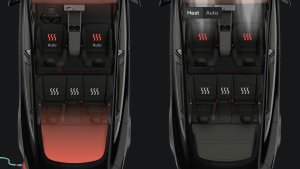
There are simple practices for Tesla and other EV owners to maximize performance in cold weather. Some recommendations include regular maintenance charging, occasional longer trips to warm up the battery, and avoiding car washes on extremely cold days. These practices and features, like pre-conditioning and battery management systems, ensure that Teslas remain a reliable choice even in harsh winter conditions.
The experience in Norway and real-world data dispel the myth Tesla underperforms in cold weather. Instead, these vehicles have proven more reliable and efficient in extreme cold than their fossil-fuel counterparts. As electric cars continue to gain popularity globally, it's essential to base discussions on facts and real-world experiences rather than unfounded assumptions. Tesla's success in Norway, a country known for its challenging winters, is a clear indicator of the robustness and reliability of EVs in cold climates.