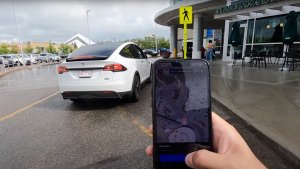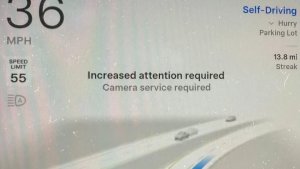
Recent media reports regarding a tragic accident involving a Tesla employee, Hans von Ohain, have gained widespread speculation, suggesting that Tesla's Full Self-Driving (FSD) technology might have contributed. Elon Musk took to X to provide a critical clarification: the vehicle did not have FSD software installed. Musk went further, stating that the accident probably would not have happened if FSD had been engaged.
He was not on FSD. The software had unfortunately never been downloaded. I say “unfortunately”, because the accident probably would not have happened if FSD had been engaged.
— Elon Musk (@elonmusk) February 14, 2024
The crash involving von Ohain, who was drunk, with a blood alcohol level that is three times the legal limit, has sparked a conversation about the role and reliability of autonomous driving technologies. However, it's crucial to understand the context of Musk's recent statement. By clarifying that FSD was not engaged—or even installed—on von Ohain's vehicle at the time of the accident, Musk challenges the narrative that has unfairly cast a shadow over Tesla's safety record and the reliability of its driver-assistance technologies.
The Importance of Accurate Reporting
This clarification invites a broader discussion about the importance of accurate reporting and the need for a nuanced understanding of autonomous driving technologies. Tesla's commitment to transparency and safety is evident in its proactive approach to sharing data and insights about the performance of its technologies. For example, the company's public release of FSD in beta mode is part of a deliberate strategy to gather feedback, learn from real-world driving scenarios, and continuously enhance the system's capabilities.
Tesla's argument that the widespread adoption of advanced driver-assistance systems could significantly reduce road fatalities is supported by data indicating the potential for automation to enhance driver and passenger safety. While no technology can completely eliminate the risk of accidents, Tesla's efforts to develop and refine its autonomous driving systems represent a critical step in making roads safer for everyone.
The Path Forward: Embracing Innovation Responsibly
Critics of Tesla's approach often overlook the company's explicit instructions that drivers must remain engaged and prepared to take control at all times, even when using Autopilot or FSD. This requirement underscores the reality that current autonomous driving technologies are designed to augment, not replace, human drivers' attention and judgment.
While rooted in a tragic loss, the conversation surrounding von Ohain's accident should not detract from the broader achievements and potential of autonomous driving technologies. Tesla has long been subject to slanderous and biased reporting, but the public must base discussions on accurate information and recognize the complexities of developing and deploying these innovative systems.