True to their word, Tesla has finally launched FSD V12.6 on the 30th of December, squeaking in under the promised timeline before the end of the year. FSD V12.6 for HW3 vehicles is software update 2024.45.25.10, and the release notes reveal several interesting things about the update, but it was mostly what we expected — which is a good thing.
We expected FSD V12.6 to include End to End for highway driving, improved city streets behavior and potentially some features from FSD V13, and that’s exactly what happened.
According to Ashok Elluswamy, Tesla’s VP of AI, Tesla has also pulled in some improvements from V13 into this V12.6 release. This release has started rolling out to some Model S and Model X vehicles, but not the Model 3 and Model Y. Ashok says that it should become available for those models within a week.
FSD V12.6
V12.6 is supposed to be a big update for Hardware 3 vehicles and is part of Tesla’s commitment to continuing to support older vehicles. Let’s break down the release notes and talk about what’s new and what came from FSD V13.
End-to-End on Highway
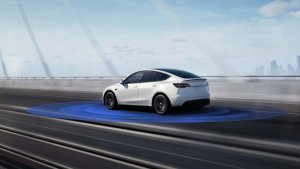
The new end-to-end highway stack has finally arrived for HW3 vehicles. The new highway stack should mean better decision-making on the freeway. Up until now, HW3 vehicles have been using FSD V11’s stack for highway driving.
When End-to-End was introduced on city streets, it brought drastic improvements in how FSD was handled between V11.4.9 and V12.3.6. HW3 owners will hopefully see similar improvements in how the vehicle behaves on the highway.
Improved City Streets Behavior
As part of the update, Tesla has honed in on some of the issues with behavior on city streets, which should address the false green light braking and other issues that have been prevalent in current FSD V12 builds. That’ll be a big improvement, as it has become one of the sticking points for V12.
Speed Profiles
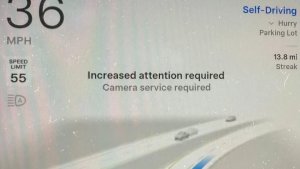
The updated speed profiles, including Hurry Mode, have now arrived. For now, the speed profiles are restricted to roads with a 50mph (80km/h) minimum speed limit, which was the same limit HW4 vehicles saw on FSD V12.5. Here is the breakdown of the new speed profiles:
Chill will drive in slower lanes, with minimal lane changes, and more strictly adhere to the speed limit. The minimal lane changes button has been removed, so if you want to have minimal lane changes, switch your profile to chill.
Standard is the new Average. It will drive at a normal speed, keeping pace and adjusting in accordance with traffic. It will dynamically adjust based on how fast traffic is moving based on Max Speed, and will make lane changes to stay at or around the speed of traffic.
Hurry replaces Assertive and will drive faster while also making more frequent lane changes to stay at or above the speed limit. It is fairly aggressive with its lane changes and looks for opportunities to get ahead or cut through the flow of traffic.
Earlier & More Natural Lane Change Decisions
This is going to be one of the most noticeable changes for HW3 users. FSD has always struggled with lane selection, especially in advance of an upcoming turn or exit. Tesla has put in a lot of work in previous FSD V12 versions - namely V12.5 and its offshoots, and these improvements should translate over to FSD V12.6 just as well.
We’re hoping to see considerably improved performance on V12.6 due to this particular set of changes.
Redesigned Controller (FSD V13)
The redesigned controller is a big change - and actually was brought down from FSD V13. The controller is what tracks your own vehicle, as well as other vehicles and objects around the vehicle. Smoother and more accurate tracking for the controller means that FSD will be able to make better decisions, resulting in higher confidence and smoother driving.
Cybertruck’s FSD V13.2 build did not receive this feature, so that’s a win for HW3 owners.
Max Speed Update
Autospeed is now gone, and is now replaced with Max Speed Offset. Tesla recommends the Max Speed Offset be set to 40%. You’ll instead be able to use the FSD Driver Profiles to better control vehicle speed. Chill will keep you at or below the speed limit, while Average will keep you around the speed limit. Hurry does what it sounds like and will speed up, if possible, up to that Max Speed Offset.
The minimum and maximum offsets are 40%, so if the limit is 50mph, your FSD speed limit will be up to 70 mph, while at -40%, it could travel as slow as 30 mph.
When Does It Arrive?
The update was available to employees early yesterday, and it later went out in an extremely limited fashion to some non-employees last night. Right now, it’s also limited to Model S and Model X vehicles with HW3. We should hopefully see a roll out to additional Model S/X cars in the coming days, but Ashok has already stated that it’ll be about a week before it’s available for other models.
Update 2024.45.25.10
Percent of Fleet
Installs on Feb 16
That means that the majority of Model 3/Y owners with HW3 will likely have to wait at least a couple of weeks before receiving the update. We’re looking forward to seeing the first few drives and reviews of FSD V12.6.