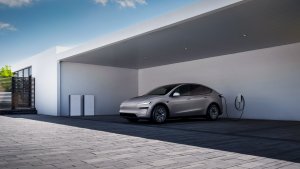
For the first time since launching Tesla Insurance in 2019, Tesla will begin underwriting its own policies, starting in California.
Tesla Insurance originally debuted in California and has since expanded to several U.S. states. Until now, policies were underwritten by State National, a subsidiary of the Markel Insurance Group. However, Tesla is now transitioning to fully in-house underwriting, beginning with its home state.
As part of this shift, California Tesla Insurance customers who receive an in-app offer to switch will be eligible for a one-time 3% discount on their next term’s premium—covered entirely by Tesla Insurance.
What is Underwriting
Underwriting is the process an insurance company uses to assess risk and determine whether to offer coverage, at what price, and under what terms.
Insurers evaluate factors such as driving history, credit score, age, vehicle type, and location. In Tesla’s case, vehicle driving data (not available in California) also plays a key role in risk assessment. These factors help classify drivers into risk categories, which influence their base premium.
From there, coverage limits, deductibles, and policy inclusions or exclusions can further adjust the final premium up or down.
Robotaxi and Other Benefits
At first glance, underwriting insurance might seem like a complex and costly process for Tesla. However, there are several compelling reasons why this move makes sense.
Insurance Income: Insurance is a highly profitable industry. Companies set rates based on risk, offering lower premiums to safer drivers and higher rates to riskier ones. This not only maximizes profitability but also incentivizes safer driving behavior, reducing overall claims.
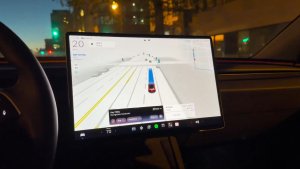
Data Advantage: Tesla collects vast amounts of driving data through its Safety Score system. While California doesn’t allow Safety Score to impact premiums, Tesla can still use this data in the underwriting process to refine risk assessments and pricing for its vehicles.
Control Over Repair Costs: By underwriting its own policies, Tesla gains direct control over repairs and total loss decisions. This allows them to dictate when, where, and how repairs are done, optimizing costs for parts, labor, and service while ensuring vehicles are fixed according to Tesla’s standards.
FSD-Driven Discounts: Tesla has already begun offering insurance discounts for drivers using Full Self-Driving (FSD). By underwriting its own policies, Tesla could expand these incentives, potentially offering greater discounts to frequent FSD users in the future.
Preparing for Robotaxi: Perhaps the biggest long-term reason for this shift is the June launch of the Robotaxi fleet. How will Tesla insure these vehicles? The answer is simple—by underwriting its own policies and assuming liability.
Tesla’s decision to underwrite its own insurance isn’t just about cutting out middlemen—it’s a step toward lowering costs, increasing profitability, and preparing for the future of autonomous driving, a risk many insurance companies may be unwilling to make.
Further Expansion
This could be a strong sign that Tesla is preparing to expand its insurance offerings now that it has taken on the underwriting process itself. In July 2024, Tesla hired a former GEICO insurance executive to lead the expansion of Tesla Insurance and help reduce costs—a move that now appears to be paying off.
Rather than a traditional expansion, Tesla has instead made a bold move by bringing underwriting in-house, something few expected. However, it aligns with Tesla’s strategy of vertically integrating and controlling key aspects of its business, whether in manufacturing, software, or now, insurance.
If this pilot program proves successful, it could pave the way for Tesla Insurance to launch in more states—and potentially even other countries. With 2025 shaping up to be a pivotal year, we may see Tesla accelerate its insurance expansion sooner than expected.