After just recently confirming that Robotaxi and Cybercab are on track to deploy to Austin, Texas in June, Tesla has submitted an application to provide robotaxi services in California.
Bloomberg reports that the application was made late last year for a “transportation charger-party carrier permit” with the California Public Utilities Commission. That permit specifically allows Tesla to own and control a fleet of vehicles.
Robotaxi Fleet… But Supervised?
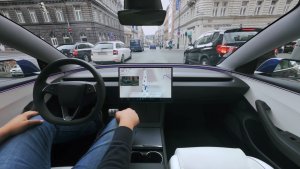
Interestingly, it was also confirmed by California’s Department of Motor Vehicles that Tesla has not made an application for driverless testing or deployment yet. Instead - they have a permit to operate and test autonomous vehicles with safety drivers. Tesla confirmed at their We, Robot autonomy event that they were testing robotaxies with safety drivers in Los Angeles already - so this isn’t a surprise.
The application with the Public Utilities Commission also details driver license requirements and drug testing protocols - which suggests that Tesla is really set on introducing their ride hailing service with safety drivers to start.
This means that Tesla will have to file an application to allow Cybercabs or other Tesla vehicles in their robotaxi fleet to drive autonomously in California. Given that the Cybercab itself doesn’t have a steering wheel or pedals - it seems likely that Tesla will continue using Model Y’s for this deployment.
Why not Autonomous?
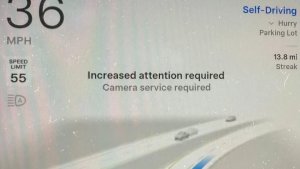
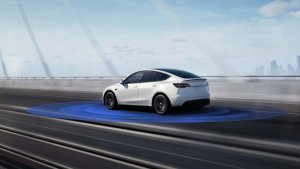
This instead seems to be a ride-hailing service that uses FSD (Supervised) rather than FSD (Unsupervised). This could be a strategy for Tesla to break into the ride-hailing market, as they intend to offer these rides in California for free.
Offering free rides with FSD (Supervised) is a great way to introduce people to self driving. People are naturally cautious, and sometimes even afraid of autonomy - especially when they’re coming from ICE vehicles which likely had basic cruise control as their only form of driver assistance.
This also allows Tesla an opportunity to test the deployment and user experience of their ride hailing service from front to back. That means from the initial tap in the Tesla App to summon your ride, loading up and stepping in, and arriving at your destination and getting out. And what better way to receive detailed feedback on the entire process than with a human in the front seat?
This seems to just be an initial step for Tesla - who has said they intend to roll out Robotaxi services with extreme caution. They need to be confident that the potential of injury or an accident is extremely low before they allow fully autonomous vehicles out and about in public.
The standard for safety with autonomous vehicles is extremely high. A single incident - even a minor one - will get worldwide headlines. Tesla will need to achieve and demonstrate a safety level far and above the average human driver before people start to accept being moved around in autonomous vehicles.
All in all, this is exciting. While it isn’t the fully autonomous Cybercabs that will soon be prowling the streets of Austin, it is still a demonstration of Tesla’s autonomy and their path forward in regions which are a bit more restrictive in how much autonomy they allow.