As anticipation builds for Tesla’s Robotaxi network debut in Austin, potentially just a few short weeks away, the National Highway Traffic Safety Administration (NHTSA) is turning its official eye onto Tesla. The ask? How will Tesla’s FSD handle the unpredictable realities of challenging weather?
The NHTSA Request
The NHTSA has sent a formal letter to Tesla, which was made public on May 12th, requesting detailed information about Tesla’s Robotaxi service. The NHTSA inquiry centers specifically on the safety and performance of FSD when faced with reduced visibility conditions like rain, fog, and sun glare. The request is tied to an ongoing NHTSA investigation, which was initiated in October 2023, examining Tesla’s FSD and Autopilot suite following incidents in poor visibility.
Tesla’s executives, including Elon Musk, have previously stated that the company is full steam ahead to launch Robotaxi in Austin this June. However, NHTSA’s pointed questions come even as Tesla has recently discussed its plans to work on region-specific and weather-specific FSD training.
Tesla’s executive leadership acknowledged the need to adapt the system to diverse environmental and weather conditions. Now, regulators want specifics on how Tesla intends to address environmental conditions and how that translates to operational safety for the fleet.
Request Breakdown
NHTSA’s letter outlines a need for detailed information from Tesla before the service launches and covers several key areas. We’ve broken this down into various sections below:
Deployment Scale
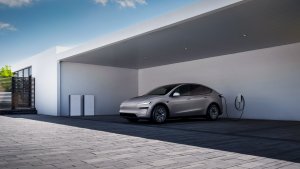
NHTSA is looking for the exact number of vehicles and models that will be part of the initial Austin fleet, and what the projected service availability times would be for said fleet. Tesla has previously said it’d launch with 10-20 Model Ys, but looks like NHTSA is looking for additional details.
Oversight
In terms of oversight, NHTSA is looking to confirm whether the Robotaxis will operate under real-time supervision of Tesla’s employees, either remotely or in-vehicle.
This is a question on our minds as well. A recent app update suggested that Tesla could have a driver in the vehicle, but it wasn’t clear whether this was referring to Tesla’s own fleet or customer-owned vehicles. The only thing we have heard officially from Tesla is that Tesla “may” use remote support, but that they were still looking into it.
Adverse Weather Capabilities
This is the meat and potatoes of the request - how will Tesla ensure safety during sun glare, fog, heavy rain, snow, or dust? What specific protocols are triggered if poor visibility is encountered mid-trip? Will the vehicle pull over or call home and cancel rides?
Sensor Technology
Surprisingly, NHTSA is looking for details regarding the vehicle the Robotaxi sensor suites and how Tesla intends to use those sensors to ensure safe operation under varied conditions. NHTSA has had previous submissions from Tesla in regard to its sensor suite and how it uses the technology, so it feels odd that they are requesting another batch - but this could be related to the use of the next generation of FSD (Unsupervised).
Compliance
Does Tesla’s FSD system adhere, either fully or partially, to established industry standards for autonomous driving? This likely refers to the NHTSA Automated Vehicles for Safety guidebook, which lays out the “L0 to L5” driver assistance vs automation system.
Future Expansion
Finally, NHTSA is looking for the timeline for enabling Robotaxi functionality on vehicles not directly owned or controlled by Tesla. Tesla has already come out and said that customer-owned vehicles wouldn’t be allowed on the robotaxi network until 2026, but obviously, NHTSA wants to hear directly from Tesla and likely has more specific questions covering a wide variety of potential issues.
These questions will likely have to be answered with considerable amounts of data and justification for the NHTSA. Once all that is done, Tesla will be in a better position to receive regulatory approval at a larger scale than just within the city of Austin or the state of Texa with the NHTSA’s backing.
Successfully addressing this letter will be the key for Unsupervised FSD moving forward, but Tesla hasn’t issued a public response to the agency’s letter, and likely won’t in a public manner. So we’ll have to wait and see how the launch of the Robotaxi network pans out next month.