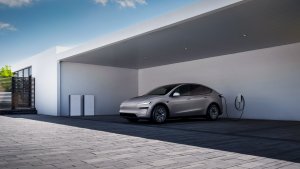
The Tesla Diner and Supercharger in Hollywood, California, offers a unique, retro-futuristic experience, allowing drivers to order food directly from their vehicle’s touchscreen while they charge. However, an interesting flaw in this ordering system recently came to light, and Tesla deployed a fix in just a few short days, closing the loophole and restoring proper control over account security.
The Issue
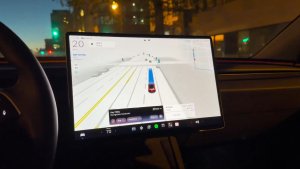
The original issue was a risk for anyone renting out or lending their vehicles to others in the LA area. Any driver could use the in-vehicle menu to order food and drinks, with the cost being automatically billed to the credit card linked to the owner’s Tesla account.
Critically, this process completely ignored the “Disable In-Vehicle Purchases” setting in the Tesla App. Originally, this setting was to prevent others from inadvertently purchasing or subscribing to an in-vehicle software upgrade, covering everything from Premium Connectivity, Acceleration Boost, or FSD. Now, the functionality has been extended to cover in-vehicle purchasing from the Tesla Diner (soon to go global).
Working on fixing this
— Tesla Charging (@TeslaCharging) September 18, 2025
The Fix
Following the discovery of the flaw, Tesla has implemented a server-side update that realigns the diner’s ordering system with the user’s security settings. Now, if an owner has toggled the ability to purchase off, the in-car diner menu will prevent you from completing the transaction. Instead of a checkout screen, a prompt appears, instructing the user on how to proceed.
The prompt provides two options: either re-enable purchasing from within the mobile app to continue, or for those who are not the vehicle owner, go inside the diner and place an order manually.
As Tesla integrates more services that can be directly purchased from within the vehicle, whether it be a subscription to FSD or food from the Diner, ensuring that user-defined security settings are respected is going to be key to maintaining owner trust.
Tesla has also recently started allowing owners in the Netherlands to pay for third-party charging sessions using their vehicle’s key card.