In Tesla’s relentless march towards autonomy, they have reintroduced Mad Max mode in FSD V14.1.2. The feature has ignited both excitement - for Tesla drivers - and alarm for critics and regulators.
While Mad Max mode was introduced in FSD v14.1.2, Tesla is now rolling out FSD v14.1.4 with the latest fixes, however, Mad Max mode remains.
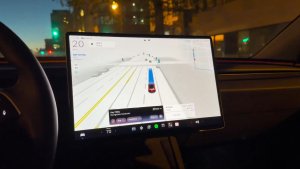
Mad Max mode is Tesla’s newest, and most aggressive driving profile, a nod to the post-apocalyptic Mad Max franchise’s thrilling speeds and sharp maneuvers, prioritizes rapid lane changes to maintain higher speeds, helping to carve through congestion.
A Tesla-reposted video on X showed the incredible pace that slips through traffic like a real human driver.
However, the National Highway Traffic Safety Administration (NHTSA) isn’t exactly cheering this on from the sidelines. Days after the rollout, the agency launched a probe into 2.9 million FSD-equipped vehicles, citing 58 complaints, including 14 crashes, 23 injuries, and traffic violations. The probe suggests that Mad Max may be a bit too wild for public roads, given previous investigations and safety concerns with FSD.
Mad Max https://t.co/T3GxhCM1DD
— Tesla (@Tesla) October 16, 2025
Mad Max Speed
Mad Max anchors Tesla’s revamped five-tier FSD personality system, a spectrum from Sloth’s cautious and safe crawl to Hurry mode’s hustle. Unlike prior versions, Tesla has removed speed offsets complete with FSD V14, drivers now toggle between modes to decide how fast and how assertive they want their vehicle to be.
However, even with the wild new ability to cut through traffic like a hot knife through butter, Mad Max mode does not actually drive any faster than Hurry mode. It simply is more aggressive with its maneuvers, spotting and taking tighter openings within traffic to keep moving forward at a speedier pace.
NHTSA’s Growing Dossier
This isn’t Tesla’s first dance with the NHTSA over FSD. The Mad Max probe joins a string of investigations that the agency has opened into various features of FSD. There were previously investigations into FSD blowing through red lights and stop signs, turning into oncoming lanes, and potentially being unsafe in poor weather, without warning drivers or safely de-escalating. There was also a recent investigation into Actually Smart Summon, prompted by low-speed collisions in parking lots on vehicles using older Smart Summon software.
The new probe’s 2.9 million vehicles dwarf prior scopes, and its focus on traffic violations broadens the entire view on how autonomy is treated so far.
The Danger of Investigation: Speeding
NHTSA’s focus on speed violations is particularly thorny. Mad Max’s aggressive maneuvers don’t inherently break speed limits, but they amplify a truth Tesla owners know well: Everyone speeds. On most North American highways, a 40 mph limit means 45-50 mph in practice, with drivers treating signs as suggestions. FSD’s ability to match this human flow is what makes Mad Max feel intuitive—yet it’s now a regulatory lightning rod.
Past NHTSA actions hint at what’s at stake. A prior probe forced Tesla to ditch rolling stops at empty intersections—a common human maneuver—mandating full stops that can confuse trailing drivers and increase rear-end risks. If NHTSA clamps down on speeding, forcing FSD to adhere strictly to posted limits, it could render FSD driver-assist systems impractical. A Tesla crawling at 40 mph in a 45-50 mph flow isn’t just sluggish; it’s a safety hazard, disrupting traffic and frustrating drivers. This regulatory rigidity could threaten Tesla’s Robotaxi vision, where seamless integration with human driving patterns is the goal.
Innovation vs. Oversight
Tesla is iterating at breakneck speed, with FSD v14.2 promising wider FSD rollout and smarter AI. But NHTSA’s probes risk slowing this momentum. If regulators impose strict speed caps or curb aggressive profiles, FSD’s real-world usability could take a hit, delaying unsupervised autonomy and billions in Robotaxi revenue at stake.
Tesla believes that profiles like Mad Max empower drivers to take some control into their hands, while still leaving the actual movement of the vehicle up to FSD.
The next steps will be whether the NHTSA continues to agree or takes steps to deepen its investigation into Tesla’s FSD.