Tesla owners know the drill: spot a quirk or bug, sound the alarm on X, and watch the cavalry charge in with an oncoming fix. The latest Cybertruck saga unfolded exactly that way, turning a rather frustrating drivetrain hiccup from the most recent software update into a prime example of what makes a software-defined vehicle.
In an era where traditional automakers drag their feet through recalls and force owners to schedule day-long dealership appointments for minor software fixes, Tesla’s OTA pipeline keeps its vehicles updated at light speed.
The Spark
It all started with a series of complaints on X from Cybertruck drivers. While the complaints were initially sporadic, one owner finally narrowed down the issue into two key problems that were noticed with the latest 2025.38 software update.
The first issue was an intermittent accelerator pulsing when maintaining a steady speed on the road, especially at higher speeds. The issue feels like a loss of vehicle control, almost as if the motor controller is misfiring. This would happen whether using FSD or not - meaning it wasn’t isolated to just a few drivers.
The results are a jerky ride that loses the smoothness the Cybertruck has on the road.
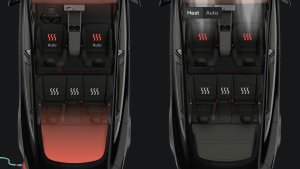
The second issue was with battery preconditioning. With software update 2025.38, the Cybertruck will begin preconditioning as soon as you navigate to a Supercharger—even if it is hours away and you’re at 100% state of charge.
This leads to a significant loss of range due to wasted energy from early preconditioning.
The Response
Enter Wes Morrill, Cybertruck’s Lead Engineer, on Stage X. Spotting the thread, Wes jumped in with a direct reply - the team was already aware of the drivetrain issue, and the engineering team was already working on a fix.
No pushing it off to another team, no sending the vehicle to service—just acknowledging the issue and noting that it's already being addressed. This wasn’t happenstance either - Tesla’s internal telemetry likely flagged the anomaly from fleet data, or from Tesla’s own internal testers. Still, the public exchange on X made the entire issue more transparent.
Tesla treats X as the unofficial war room for Tesla—whether it's for FSD quirks or bugs like this one. Tesla’s engineering teams are deeply involved with the community on X, meaning they see issues pop up right when everyone else does, often leading to fixes coming faster than expected.
The Magic
True to form with Tesla, an OTA update is already in the pipeline, promising to iron out both issues without requiring a single trip to a service center. This is one of Tesla’s biggest advantages, and one that no legacy automakers have managed to replicate years later.
Software-defined vehicles patch themselves seamlessly, often while simply parked in your driveway. With legacy automakers, a similar drivetrain glitch might result in a stop sale, months-long engineering investigation, parts shortages, and mandatory in-dealership recall and repair visits.
That said, owners can likely expect this fix to roll out in the coming weeks as Tesla’s engineers resolve the issue and deploy it.