Tesla has officially cleared one of its many regulatory hurdles as the U.S. government winds down a year-long investigation into its remote-driving technology. On Monday, the National Highway Traffic Safety Administration (NHTSA) announced it is closing its probe into Tesla’s "Actually Smart Summon" (ASS) feature, concluding that the system does not pose a significant safety risk to the public.
According to a report from Reuters, the agency decided to end the review after finding that incidents were primarily linked only to low-speed collisions. The investigation, which covered nearly 2.6 million vehicles, found that while there were about 100 reported crashes, they resulted in zero injuries and zero fatalities.
What is Actually Smart Summon?
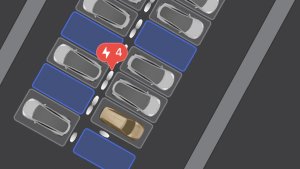
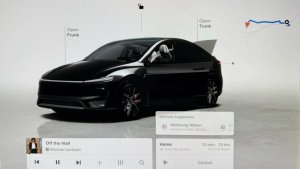
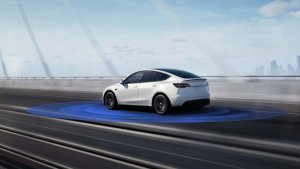
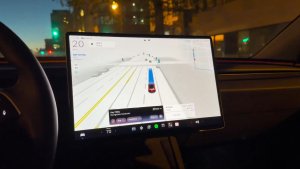
Actually Smart Summon is a vision-based feature that officially began rolling out in September 2024. It allows owners to use the Tesla app to "summon" their car from a parking spot to their current location. Unlike the older, sensor-based version of Summon, ASS uses the car’s cameras and onboard computer to navigate around obstacles like shopping carts, curbs, and other vehicles in a parking lot.
Summon has long been a source of both fascination and frustration for owners — delighting them when it works perfectly and testing their patience when it doesn't. Consequently, it remains one of the most requested areas for Tesla to iterate and improve upon.
The feature landed in hot water in early 2025 when the NHTSA launched a probe following reports of minor collisions. Most of these involved vehicles striking parked cars, garage doors, or gates, usually because the cameras were temporarily blocked or visibility was limited. Tesla eventually addressed these concerns through software updates that improved how the car identifies blocked cameras and responds to moving objects like opening gates.
A History of Regulatory Scrutiny
This is far from Tesla’s first dance with federal regulators. The company has a long history of landing in hot water over its autonomous ambitions. Last fall, the NHTSA took issue with FSD’s "Mad Max" speed profile, which allowed for more aggressive lane changes. More recently, the agency upgraded a separate probe into how Full Self-Driving (Supervised) performs in adverse weather and low-visibility conditions.
It isn't just about the software, either. Tesla has also faced NHTSA investigations into hardware designs, such as its emergency door release latches. While the closing of the "Actually Smart Summon" probe is a win, Tesla remains under an "engineering analysis" for its broader FSD system, which is a much more serious stage of investigation that often leads to recalls.
Looking Ahead
The agency noted that the low frequency and severity of the Summon incidents did not warrant further action. For Tesla owners, this means the feature is here to stay, and the company is free to continue iterating on the technology's future abilities via over-the-air updates.
While Tesla's self-driving tech continues to be a lightning rod for debate, this specific closure suggests that the regulator is willing to let low-speed, "property-damage-only" bugs be handled through software patches rather than forced recalls. As Tesla prepares for its Cybercab launch later this year, keeping a clean sheet with the NHTSA on these smaller features will be critical for maintaining public trust.