Building a dedicated autonomous vehicle without steering wheels or physical pedals introduces a unique engineering challenge: how do you move the car if you ever need to manually nudge it? New footage captured in Texas reveals how Tesla plans to handle manual overrides on its purpose-built Cybercab robotaxi.
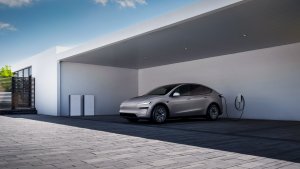
Videos shared on X by @BarryGoodStocks show a production Cybercab unit navigating a busy Supercharger station in Austin. While testing automated parking, the vehicle initially ended up angled slightly too far from the charging stall for the cable to reach.
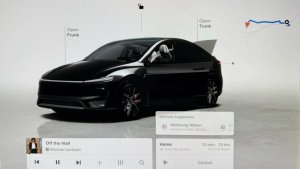
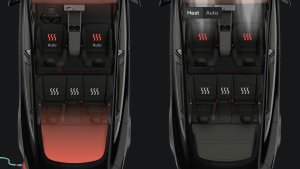
To fix the alignment, a test engineer sitting inside used manual drive controls displayed directly on the central touchscreen, holding down onscreen directional buttons to drive out of the stall before repositioning and backing up into a more favorable spot. Take a look at the videos below:
Robotaxi with NO DRIVER and NO WHEEL parking at a supercharger here in Austin Texas!!! pic.twitter.com/syhLquvjCb
— Caleb Barry (@BarryGoodStocks) August 30, 2026
Manual Controls Without a Steering Wheel
The Cybercab’s interior completely lacks traditional steering columns, stalks, and foot pedals. Tesla has even been testing steering wheel-less Cybercabs in Austin for months. However, service technicians, emergency personnel, and factory workers still need a fallback method to steer or inch the car forward during maintenance or unexpected edge cases.
Placing manual drive controls directly on the center display serves as that backup interface. While tapping and holding virtual buttons on a dashboard display is hardly practical for everyday driving, the Cybercab is engineered from the ground up to operate completely on Tesla’s Full Self-Driving software.

People won’t be steering the vehicle themselves during normal commutes. For low-speed maneuvers around tight service bays or tricky charging spots, having an emergency touch-based steering and drive panel built right into the UI provides all the manual utility Tesla needs without cluttering the cabin with physical hardware or defeating Tesla’s longstanding ambition for a fully autonomous, steering wheel-less commuter.
Ramping Up for Commercial Public Rides
This sighting of someone actually driving a steering wheel-less Cybercab comes as Tesla prepares to deploy the vehicle across the Texas capital.

In recent weeks, Tesla expanded Robotaxi geofences in Dallas and Austin to open up wider coverage across metropolitan corridors. Fleet preparations have also moved into high gear to welcome the Cybercab. Recent regulatory filings confirm that Tesla has started adding Cybercabs to its Robotaxi fleet in Texas ahead of the official Cybercab launch event on Thursday, September 3.
With production units actively testing Supercharger access and driving on Texas streets, public rides in steering wheel-less Cybercabs could begin as early as this week.