When a traffic officer writes a speeding ticket, the person sitting behind the steering wheel is legally on the hook. However, following a recent traffic violation committed by Full Self-Driving (Supervised), one well-known creator in the Tesla community decided to forward their citation directly to the automaker.
Tesla content creator @DrKnowItAll16 took to X after getting a ticket for driving their Cybertruck over the speed limit with FSD engaged:
“I’ve always said if/when I got a speeding ticket while @Tesla FSD was driving--without the ability for me to directly adjust the speed myself--I’d ask Tesla to pay the ticket. Well here you go, Tesla.”

While the gesture was symbolic rather than an expectation of payment, the situation highlights growing user frustration over how Tesla’s latest FSD builds manage posted speed limits.
Speed Profiles Have Replaced Granular Controls
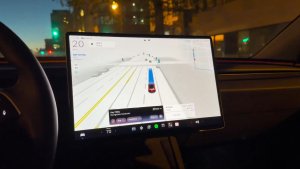
The root of the issue lies in recent software changes to FSD. In older releases, drivers could set a hard maximum speed cap using the right steering wheel scroll wheel.
Recent updates have done away with that option entirely. Tesla has been phasing out traditional speed caps and instead introducing dynamic Speed Profiles in FSD. The system now relies on (currently five) general behavior presets: Sloth, Chill, Standard, Hurry, and Mad Max.

These profiles adjust following distance, lane changes, and vehicle speed based on surrounding traffic flow. However, many owners have noticed that aggressive profiles routinely travel above legal limits, and even Standard mode can push beyond posted numbers. Without a dedicated speed ceiling, drivers who notice their car creeping too fast can’t simply dial down a top speed; they must scroll down to a less aggressive profile or tap the brake pedal to disengage FSD completely.
Drivers hoping for the return of the classic speed control also received disappointing news recently. Tesla AI chief Ashok Elluswamy confirmed last month that the Max Speed option won’t return to FSD, noting that developers are working on alternative speed selection improvements instead.
Regulatory Scrutiny Over Autonomous Speeding
The debate over automated speed selection extends well beyond individual driver citations. Tesla’s approach to speed flexibility has even drawn attention from international safety regulators.
European transit agencies have raised formal objections to how FSD has a “Speed Offset” feature that can allow it to exceed legal road limits. France and Sweden have both taken issue with FSD’s propensity to go over the speed limit on public roads, and Sweden even urged the EU to reject FSD over the issue ahead of a continent-wide regulatory approval vote scheduled for later this fall.
Until unsupervised autonomy arrives and Tesla assumes full legal liability, human drivers remain responsible for every mile. Giving drivers direct, intuitive controls to keep FSD (Supervised) strictly within legal limits remains a top request for Tesla owners right now.