Scaling an autonomous ride-hailing fleet requires far more than just writing self-driving code. The vehicles need places to charge, clean, and stage between passenger trips without clogging up public stalls meant for retail owners. With the Robotaxi network steadily expanding, Tesla is already planning dedicated infrastructure to keep its driverless fleet powered up.
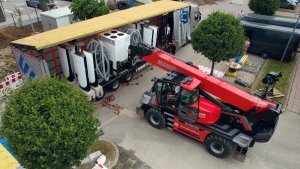
Permits and blueprints uncovered by longtime Supercharger tracker MarcoRPi1 (@MarcoRPi1) on X reveal that Tesla has filed plans for a second dedicated fleet charging location in Austin. The site plans outline a 24-stall DC fast-charging installation mapped out for 2323 Ridgepoint Drive, an existing Tesla sales, delivery, and service location in northeast Austin.
The project drawing folder explicitly labels the development as "2323 Ridgepoint Dr – Robotaxi," confirming its intended purpose.


Plug-In Stalls Over Wireless Charging Pads
The Ridgepoint filing marks the second commercial charging depot Tesla has submitted in the area recently. A few weeks ago, plans surfaced for another massive charging hub in Austin with 80 wireless chargers along East St. Elmo Road, which called for 48 V4 stalls in phase one before adding inductive charging pads in phase two.
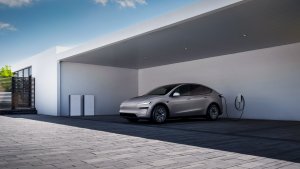
By contrast, the new Ridgepoint drawings show no wireless charging equipment. The layout calls for three V4 Supercharger cabinets feeding 24 V4 posts, powered by a 2,500 kVA utility transformer and a 4,000-amp switchboard. After
The site will repurpose roughly 29 to 32 existing parking spaces behind the facility, installing mini EV flex bollards and mounting wireless access points on light poles to communicate directly with incoming vehicles.
The lack of wireless charging pads makes practical sense for near-term operations, even though we were hoping to see more of them after they were featured so prominently in those previous site plans. While Tesla plans for the Cybercab to eventually use wireless inductive charging exclusively, current production units still carry a hidden NACS port on the rear bumper. Standard Model Y robotaxis that make up the rest of the fleet also rely on standard plugs, meaning conventional V4 posts can service both vehicle lines immediately.
Ground Support for Scaling Fleets
The timing of the permit filing aligns with growing fleet demands. Tesla officially started offering public Cybercab rides last week, meaning dedicated turnaround facilities are quickly becoming a necessity rather than an experiment.
These Robotaxi-only staging hubs will eventually do more than just deliver electricity. Earlier filings showed that Tesla Robotaxi hubs are adding automated car-cleaning robots to vacuum floors, sanitize surfaces, and wipe down windows between passenger drop-offs.
With the St. Elmo location covering the south side and Ridgepoint anchoring the northeast corridor, Tesla is establishing dedicated charging depots across Austin to keep its driverless vehicles charged and moving without competing against retail owners for public Supercharger plugs.