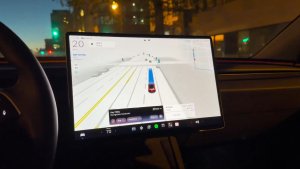
Tesla’s commercial ride-hailing operations currently follow set operating hours in active markets, but round-the-clock driverless service is right around the corner. According to Tesla’s top AI exec, the rollout of its next-generation Full Self-Driving architecture will finally unlock 24/7 passenger rides.
The update came directly from Ashok Elluswamy (@aelluswamy), Tesla’s VP of AI, who responded on X when asked by community member @wholemars about when Robotaxi rides would become available 24/7.
next month or so. the next tech to merge on the v15 plan will enable it.
— Ashok Elluswamy (@aelluswamy) September 4, 2026
The timeframe points toward an October deployment for the commercial fleet. During Tesla’s Q2 earnings call, executives said that some Robotaxi vehicles are already running early builds of FSD v15, carrying seven major architectural changes over the v14 stack. Elluswamy’s latest comments indicate those limited tests could soon converge into a fleet-wide release.
Expanding From Night Rides to Round-the-Clock Service
Tesla has been steadily expanding Robotaxi operations and geofences across active markets like Austin, Dallas, Houston, the Bay Area, Miami, and more. While unsupervised Robotaxi night rides began earlier this spring, gaps in scheduling still leave certain hours offline.
That availability gap could close rapidly now that Cybercabs have officially joined the Robotaxi fleet starting in Austin. Combining the purpose-built two-seater with retrofitted Model Ys gives Tesla the fleet density needed to support true 24/7 availability.

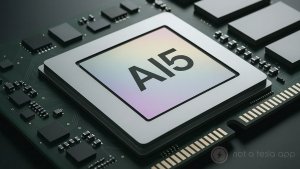
FSD v15 will run across both platforms. Tesla previously confirmed that current-gen Hardware 4 (HW4/AI4) suites have the computing chops required to support not just FSD v15 but unsupervised self-driving as well, while production Cybercabs feature an even more capable FSD computer.
Under the hood, FSD v15 packs an enormous upgrade, perhaps even bigger than the step change between v13 and v14. Earlier this week, Elluswamy previewed what’s coming in FSD v15, detailing a jump to a 10-billion-parameter neural network that delivers earlier hazard forecasting, quicker reaction times, better collision avoidance, and more.
What Fleet Validation Means for a Consumer Rollout
Activating FSD v15 across commercial vehicles is also a critical precursor to expanding Robotaxi service to new regions. Tesla previously noted that it will have to wait for FSD v15 before expanding Robotaxi at scale, meaning this software branch could determine how quickly the driverless ride-hailing network enters fresh metropolitan markets.
The fleet rollout provides good news for everyday owners, too. Validating v15 on commercial vehicles gives developers wide streams of real-world driving data to fine-tune the software.
If driverless Robotaxis transition to v15 next month without friction, there’s a good chance that Tesla’s target of shipping FSD v15 to consumer HW4 vehicles late this year or early next year holds true.