When Elon Musk confirmed Tesla’s all-in bet on the Cybercab, Tesla’s purpose-built Robotaxi, over new vehicle lines, he didn’t just sideline the long-promised $25K Tesla — he took it out back and buried it.
For years, Tesla’s enthusiasts, budget-conscious buyers, and investors have clung to the hope of an electric vehicle that could rival gas-powered compacts in price, while delivering Tesla’s signature tech allure and autonomy prowess, all in a compact and affordable package.
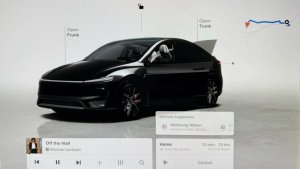
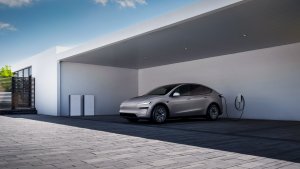
Instead, we received the Model 3 and Model Y Standard, stripped to the bone to hit the $37k mark. With Cybercab stealing the spotlight with its potential to hit the $25K mark, the dream of the “Model 2” appears to be officially dead.
That’s a bitter pill for fans, but also a massive moonshot for Tesla itself. Let’s dive in.
Was the $25K Dream Always a Mirage?

Tesla’s promise of a $25K EV captured imaginations. A sleek, affordable, and accessible electric compact to dominate the mainstream vehicle market. But the reality of delivering that price point has proven brutal. The recently launched Standard Model 3 and Model Y are Tesla’s closest shot at affordability, revealing the major compromises required to even approach the sub-$40K pricing.
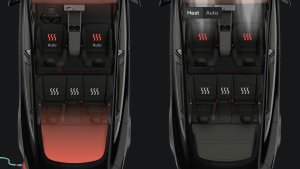
No Autopilot, no heated rear seats, no ambient lighting, manual seat adjustments, and a downgraded frunk, and there’s much more that didn’t make the cut. That isn’t just cost-cutting measures; it is a dilution of the core Tesla experience. Even something as basic as direct tire pressure monitoring was compromised, with the sensors being replaced by an indirect system that requires manual checks —a step backward for a brand as autonomous and tech-forward as Tesla.
These cuts expose a harsh truth: Tesla can’t hit the $25K price point by simplifying its current platforms without descending into utter mediocrity. Building a smaller vehicle from scratch, optimized for affordability, would require massive investment in new production lines, a resource that Tesla seems unwilling to commit.
Rising material costs, despite falling battery prices, make a ground-up $25K EV a financial pipe dream. Instead, Elon and Tesla as a whole are now doubling down on a different vision: one where personal car ownership becomes optional.
Cybercab: The Affordable Future, Minus the Steering Wheel

Enter the Cybercab, Tesla’s autonomous trump card. Designed for sub-$20K production costs, it sidesteps the compromises of the Standard models with radical innovations: unboxed assembly lines, paint-infused plastic panels, and massive two-part castings to optimize costs at the platform level.
This isn’t a car made to sit in your driveway, or to be driven with gusto; instead, it's a fleet vehicle built to flood cities with low-cost, driverless rides. Elon and Lars Moravvy have teased a future where Cybercab, paired with Optimus for maintenance and Tesla’s hubs for cleaning and charging, could slash per-mile costs below public transit, making shared autonomy cheaper than owning even a $25K EV.
The math is compelling. A robotaxi fleet could operate at scale, leveraging Tesla’s AI to optimize routes and utilization, potentially generating trillions in revenue over time. Why buy a bare-bones Model 3 when you can summon a Cybercab for pennies per mile?
It’s a hybrid Uber-AirBnB model that could render personal vehicles obsolete for urban dwellers, aligning perfectly with Tesla’s slow shift from an automaker to an AI-driven services giant.
A Bitter Pill
For Tesla’s core fans, including owners, investors, and enthusiasts, this pivot stings. The $25K EV was a beacon of accessibility, a chance to bring Tesla’s magic to the masses without sacrificing the premium feel and autonomy that defines the brand.
Instead, the Standard models feel like a betrayal: overpriced for what they include, yet still too costly for the average buyer. The Cybercab, while revolutionary, is more like a train, cheap and efficient, without creating an emotional connection to its riders. Its two-seater, no-controls design excites futurists but alienates drivers who crave the thrill or enjoyment of driving a car that they can own and customize.
Will enthusiasts embrace a future where they’re passengers?
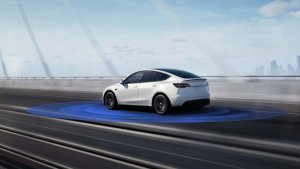
Moreover, Tesla’s all-in bet on autonomy isn’t without risks. FSD adoption still remains low, due to regulatory hurdles, software glitches, or simply due to not having ever tried it.
Chinese Competitors like BYD and NIO are flooding the market with affordable EVs, while the affordable Chevy Bolt is scheduled to return to showrooms in the first quarter of 2026. These brands are ready to capture budget-conscious buyers that Tesla is sidelining in its rush towards autonomy. If Cybercab’s rollout falters, whether due to consumer trust issues or regulatory hurdles, it could hit Tesla hard as it faces competition from these other more affordable models.
Autonomy over Affordability: Right Call?

Tesla’s choice is clear, it’s going all-in on autonomy and the Cybercab, instead of creating a cheaper EV. If they succeed, maybe they were right, as the Cybercab could make a $25K EV obsolete. Why buy a vehicle when you can rent one for cheaper and without a large upfront cost? However, if autonomy or the Cybercab are severely delayed, it could be a costly mistake. Given Tesla’s track record on timing autonomy, this is far from a sure bet.
It’s a bold, Musk-style gamble that could redefine transportation.
Making car ownership as quaint as horse-drawn carriages is a crazy gamble, demanding flawless execution and public trust in autonomy, and neither is guaranteed. But if any company could potentially pull it off, Tesla is the one.
For now, the $25K Tesla is a casualty of this vision, and that leaves us with a question.
Is Tesla building a world for us, or a world where we’re just along for the ride?