A class-action lawsuit has been filed against Tesla Insurance Services, alleging that the company overcharges for car insurance premiums. This accusation stems from the claim that Tesla bases premiums on “false” crash warnings rather than actual driving behavior.
Judge Brad Seligman of Alameda County Superior Court denied Tesla's request to dismiss the lawsuit, setting the stage for a detailed examination of Tesla's practices. While Tesla has denied any misleading conduct, the court’s decision to allow the case to proceed highlights the gravity of the allegations.
Safety Score Accuracy?
The plaintiff, Illinois resident Ricky Stephens, represents Tesla drivers from numerous states, including Arizona, Colorado, Illinois, Maryland, Minnesota, Nevada, Ohio, Oregon, Texas, Utah, and Virginia. This lawsuit, gaining traction under California's expansive unfair competition law, raises critical questions about the reliability and fairness of Tesla's insurance premium calculations.
The lawsuit, scheduled for an initial hearing in January 2024, seeks restitution, disgorgement of profits, and an injunction against alleged false advertising. The core issue lies in the “safety score” used by Tesla to determine insurance premiums. This score is affected by several factors, including hard braking, aggressive turning, and, notably, forward collision warning alerts.
Implications for Tesla and the Auto Insurance Industry
This lawsuit could have significant implications for Tesla and the broader auto insurance industry. The case highlights real-time data and algorithm-driven assessments in determining insurance premiums. Using vehicle data to calculate insurance rates, Tesla's innovative approach was seen as a game-changer. However, the current legal challenges suggest this technology might not be as flawless as initially perceived.
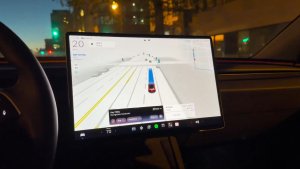
Several Tesla drivers have reported sporadic and random forward collision warnings, which adversely affect their safety scores and, consequently, their insurance premiums. This situation raises concerns about the accuracy of Tesla's vision system, which is still under development. If these collision warnings are indeed erroneous, as alleged, this could mean that customers are unfairly penalized with higher premiums based on inaccurate data.
Moreover, the case involving Tesla drivers who engaged in Track Mode on their EVs raises further questions about the insurance unit's algorithms. Reports of significant premium hikes after a single day of aggressive driving in controlled conditions challenge the fairness and transparency of Tesla's premium calculation methods.
Tesla's ongoing legal battle over its insurance practices is more than just a corporate dispute; it is a litmus test for the use of advanced technology in calculating insurance premiums. As the case progresses, it will be crucial to scrutinize the balance between innovative data use and the rights of consumers to fair and transparent insurance pricing. The outcome of this lawsuit could set a precedent for Tesla and the entire auto insurance industry as it grapples with integrating new technologies into traditional business models.