Bank of America has officially resumed analyst coverage on both Tesla and Rivian, and the resulting notes highlight a massive divergence in how Wall Street views the future of the two American EV makers.
While the bank is overwhelmingly bullish on Tesla’s software and robotics ambitions, it has issued a stark warning about Rivian’s near-term profitability amid changing regulatory headwinds.
Tesla: Autonomy & Robotics Upsides
Bank of America reinstated coverage on Tesla with a Buy rating and a highly optimistic $460 price target, while it traded today around the $403 mark. The core of BofA’s bullish thesis hinges not just on traditional vehicle manufacturing but also on Tesla’s massive lead in artificial intelligence and software.
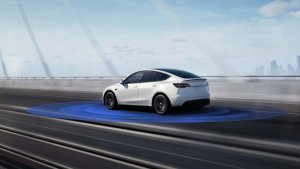
The bank’s analysts specifically highlighted Tesla’s FSD as the leading consumer autonomy solution. BofA also noted that Tesla’s strict adherence to a camera-only approach - while technically more difficult to solve - is significantly cheaper to produce than the expensive, multi-sensor hardware suites used by the rest of the autonomous driving industry.
Because the hardware is cheaper, Tesla is well-positioned to scale its upcoming Robotaxi network far more profitably and quickly than its competitors. This strategy is continuously fueled by a massive and ever-growing data engine generated by the millions of Tesla vehicles already on the road today.
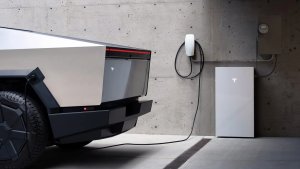
According to the bank’s estimates, the Robotaxi and autonomy business alone makes up roughly 52% of Tesla’s total valuation. Looking beyond the automotive sector, BofA also sees significant upside potential in the rapidly expanding Tesla Energy segment, as well as the commercialization of Tesla’s future humanoid robot, Optimus.
Rivian: Regulatory Headwinds and Cash Burn
The outlook from BofA on Rivian is drastically different. Bank of America reinstated coverage on the startup with an Underperform rating and a $14 price target. However, the stock is trading up 6% today, rising to almost $17, ahead of Thursday’s R2 event. The broader analyst consensus sits closer to $17.
The primary dividing line for BofA’s bearish stance is the rapidly changing regulatory landscape. According to the analyst note, Rivian’s fourth-quarter automotive revenue collapsed by 45% year-over-year. This drop was heavily driven by a massive $270 million collapse in regulatory credit sales, combined with softer demand for the flagship R1 following the expiration of the US federal EV tax credit in late 2025.
While Rivian has several major strategic moves in play, including the launch of the more affordable R2 platform, with deliveries targeted in Q2 2026, BofA remains skeptical.
The bank argues that the current regulatory backdrop makes near-term profit improvements highly unlikely, regardless of how well Rivian executes with the R2’s rollout. Ultimately, BofA notes that Rivian’s stock is currently priced for a financial recovery that the fading regulatory environment simply won’t deliver on schedule.